Asset Performance Requirements (APR) – Sub Category 6.0
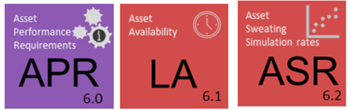
DISCOVER – What performance information is essential?
Identify the performance measures required to understand how assets contribute to operational and business outcomes, including availability, utilisation, throughput, quality, and constraint conditions across the value chain.
DEFINE – How will performance be specified and measured?
Define clear performance requirements, targets, and limits for each asset class and system, aligned with demand, risk, and lifecycle strategies. Standardise definitions so all stakeholders use the same language and metrics.
DESIGN – What tools manage asset performance?
Configure monitoring, historian, and analytics tools to capture performance data, calculate KPIs, and present results through dashboards and reports that support timely operational and strategic decisions.
DEPLOY – How will performance be governed and improved?
Integrate performance reviews into routine management processes, linking results to improvement actions, investment decisions, and optimisation initiatives across maintenance, operations, and planning.
6W1H Analysis
Operations, Reliability, and Planning teams own performance requirements and data. Measures are stored in historians, EAM/CMMS, and BI tools, reviewed routinely and after major events. The purpose is to maximise value from assets by balancing cost, risk, and performance. Costs include monitoring infrastructure, analytics platforms, and capability development.
DISCOVER
Identify the factors that influence asset availability and the operational demands placed on each asset across the value chain.
DEFINE
Define optimal availability targets for each asset class, using operational requirements, maintenance strategies, and historical performance data to set realistic and achievable goals.
DESIGN
Develop monitoring systems and procedures that track asset availability and compare actual performance against defined targets.
DEPLOY
Implement strategies to improve asset availability, such as adjusting maintenance schedules, upgrading equipment, or optimising operating practices and constraints.
6W1H Analysis
Operations Managers and Reliability Engineers manage and analyse availability using EAM systems and analytics tools. Availability data and trends are monitored continuously with periodic reviews. The purpose is to minimise downtime, maximise throughput, and ensure assets are ready when needed. Investments include monitoring technologies, software platforms, and improvement initiatives that sustain high availability and reliability.
DISCOVER
Analyse how assets are currently utilised and identify opportunities to increase productivity without compromising asset health or safety.
DEFINE
Define benchmarks and simulation parameters for modelling different utilisation scenarios, identifying the balance point where asset sweating maximises output without driving unacceptable wear, failure rates, or risk.
DESIGN
Develop simulation tools and models that test a range of operational scenarios and predict outcomes based on increased asset utilisation rates and operating strategies.
DEPLOY
Apply insights from simulations to adjust operational practices, set utilisation limits, and plan maintenance and reinvestment, increasing asset output within safe and sustainable boundaries.
6W1H Analysis
Strategic Planners and Operational Analysts run ASR simulations using advanced modelling software and real operational data. Simulations are used in strategic planning cycles and ahead of major operational changes or new investments. The purpose is to maximise productivity and ROI while protecting long-term asset health. Costs include software acquisition, configuration, and specialist training, offset by better decisions and improved utilisation.